
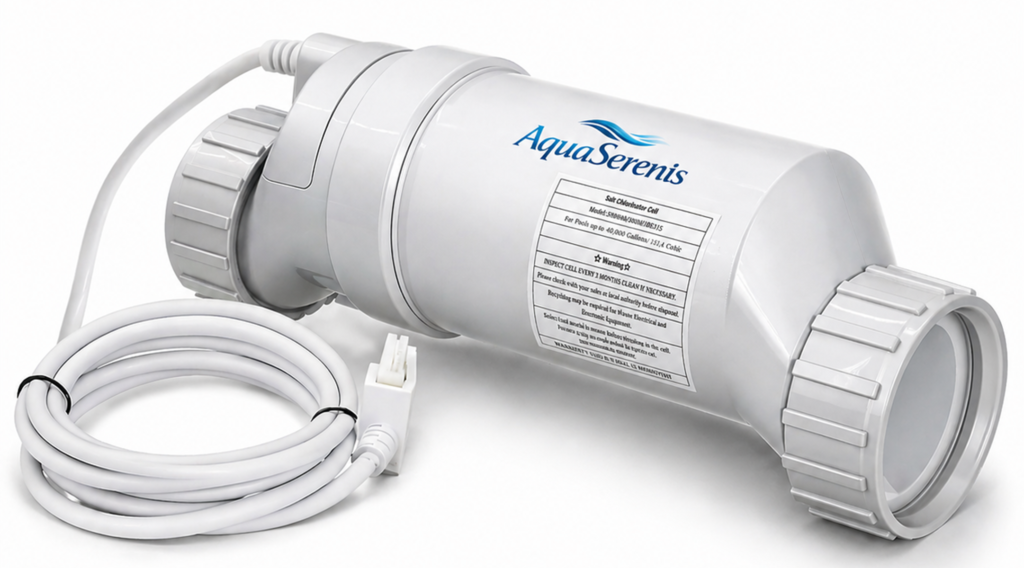
Choosing the right salt chlorinator is an important step for keeping residential pool water cleaner, more stable, and easier to maintain. A salt chlorination system helps convert dissolved salt in the pool water into chlorine, reducing the need for frequent manual chlorine dosing.
Before choosing a salt chlorinator or replacement part, pool owners should consider pool size, system compatibility, chlorine output, installation requirements, and long-term maintenance needs. This guide explains the key factors to review before making a purchase.
What a Salt Chlorinator Does
A salt chlorinator is designed to help generate chlorine from salt dissolved in pool water. Instead of adding chlorine manually as often, the system uses a salt cell and control unit to support ongoing chlorine production while the pool circulation system is running.
For many residential pool owners, salt chlorination can make pool care more convenient. However, the system still needs proper sizing, correct installation, balanced water chemistry, and regular maintenance to perform well.
A salt chlorinator is not a “set it and forget it” device. It works best when matched correctly to the pool system and maintained according to the pool owner’s manual or professional guidance.
Why Pool Size Matters
Pool size is one of the most important factors when choosing a salt chlorinator. A system that is too small may not generate enough chlorine for the pool, especially during hot weather, heavy use, or periods of strong sunlight.
When reviewing product options, check the recommended pool capacity. Many salt chlorination systems are rated for a maximum pool volume, such as small, medium, or large residential pools.
As a general rule, it is better to choose a system that has enough capacity for your pool rather than one that barely meets the minimum requirement. A properly sized salt chlorinator can help reduce stress on the system and support more stable chlorine output.
Check Your Existing Pool System
Before buying a salt chlorinator or replacement part, check your existing pool equipment carefully. Important information may be found on the control box, salt cell, pump system, or original product label.
Look for details such as:
Original product model
Part number
Salt cell type
Control unit model
Voltage requirements
Plumbing connection size
Flow switch requirements
Compatibility is especially important when replacing a salt cell, control board, control unit, or other pool equipment component. Even products that look similar may not work correctly if the model number, connection type, or system requirements are different.
Consider Chlorine Output and Daily Runtime
Salt chlorinators generate chlorine while the pool circulation system is operating. This means chlorine output depends not only on the chlorinator itself, but also on daily pump runtime, pool usage, water temperature, sunlight exposure, and water balance.
If your pool receives strong sun, has heavy swimmer use, or is located in a warm climate, you may need a system with stronger chlorine output or longer daily operating time.
When reviewing a product, look for information about output settings, recommended runtime, and system control options. A system with adjustable output can give pool owners more flexibility when water demand changes.
Look at Salt Cell Compatibility
The salt cell is one of the most important parts of a salt chlorination system. It is the component responsible for chlorine generation, and it must be compatible with the control system.
When replacing a salt cell, do not rely only on appearance. Check the original model number and supported system type before purchasing.
Important compatibility points include:
Salt cell model
Control system compatibility
Cable and plug type
Union or connection size
Flow direction
Recommended pool capacity
Required salt level range
If you are unsure, take clear photos of your original cell, control panel, label, and connection area before contacting support.
Installation and Maintenance Factors
A salt chlorinator should be installed according to the product instructions and local requirements. For electrical, plumbing, or complex pool system work, pool owners should consult a qualified pool professional.
After installation, regular maintenance is still necessary. Salt cells may need inspection and cleaning if scale buildup appears. Pool water should also be tested regularly to maintain proper salt level, pH, stabilizer, alkalinity, and chlorine balance.
Common maintenance tasks include checking the salt cell, inspecting cable connections, cleaning scale buildup when needed, and monitoring warning lights or system alerts.
Good maintenance helps support longer product life and more consistent performance.
When to Ask for Compatibility Support,You can also explore AquaSerenis pool equipment categories on our Products page before contacting support.
If you are not sure which salt chlorinator or replacement part is right for your pool system, it is better to ask before purchasing.
When contacting support, include:
Your original product model
Part number
Photos of the existing equipment
Photos of labels or markings
Pool system type
A brief description of the issue or replacement need
AquaSerenis support can help review compatibility information before purchase and provide basic product guidance.
For help choosing a compatible product, visit our Support page or contact AquaSerenis with your product details.
Final Thoughts
Choosing the right salt chlorinator is about more than matching a pool size rating. Pool owners should also review compatibility, chlorine output, installation requirements, salt cell type, and maintenance needs.
A properly selected salt chlorination system can help support cleaner water, easier maintenance, and more confident residential pool care.
If you are unsure which replacement part or pool equipment category is right for your system, contact AquaSerenis support before purchase.
Frequently Asked Questions
What size salt chlorinator do I need?
The right size depends on your pool volume, daily pump runtime, sunlight exposure, pool usage, and chlorine demand. Choose a salt chlorinator that is rated for your pool size and has enough output capacity for normal residential use.
Can I replace only the salt cell?
In some systems, the salt cell can be replaced separately if the control unit is still working properly. However, the replacement salt cell must be compatible with the existing control system, cable connection, and plumbing setup.
How long does a salt cell usually last?
Salt cell life depends on water chemistry, usage, cleaning habits, operating time, and system conditions. Regular inspection and proper water balance can help support longer service life.
What salt level should my pool have?
The required salt level depends on the specific salt chlorination system. Always check the product manual or control system instructions for the recommended salt range.
Should I choose OEM or aftermarket replacement parts?
OEM parts are made by the original equipment manufacturer. Aftermarket replacement parts are designed as compatible alternatives. When choosing aftermarket parts, carefully confirm model compatibility, system requirements, and installation details before purchase.